

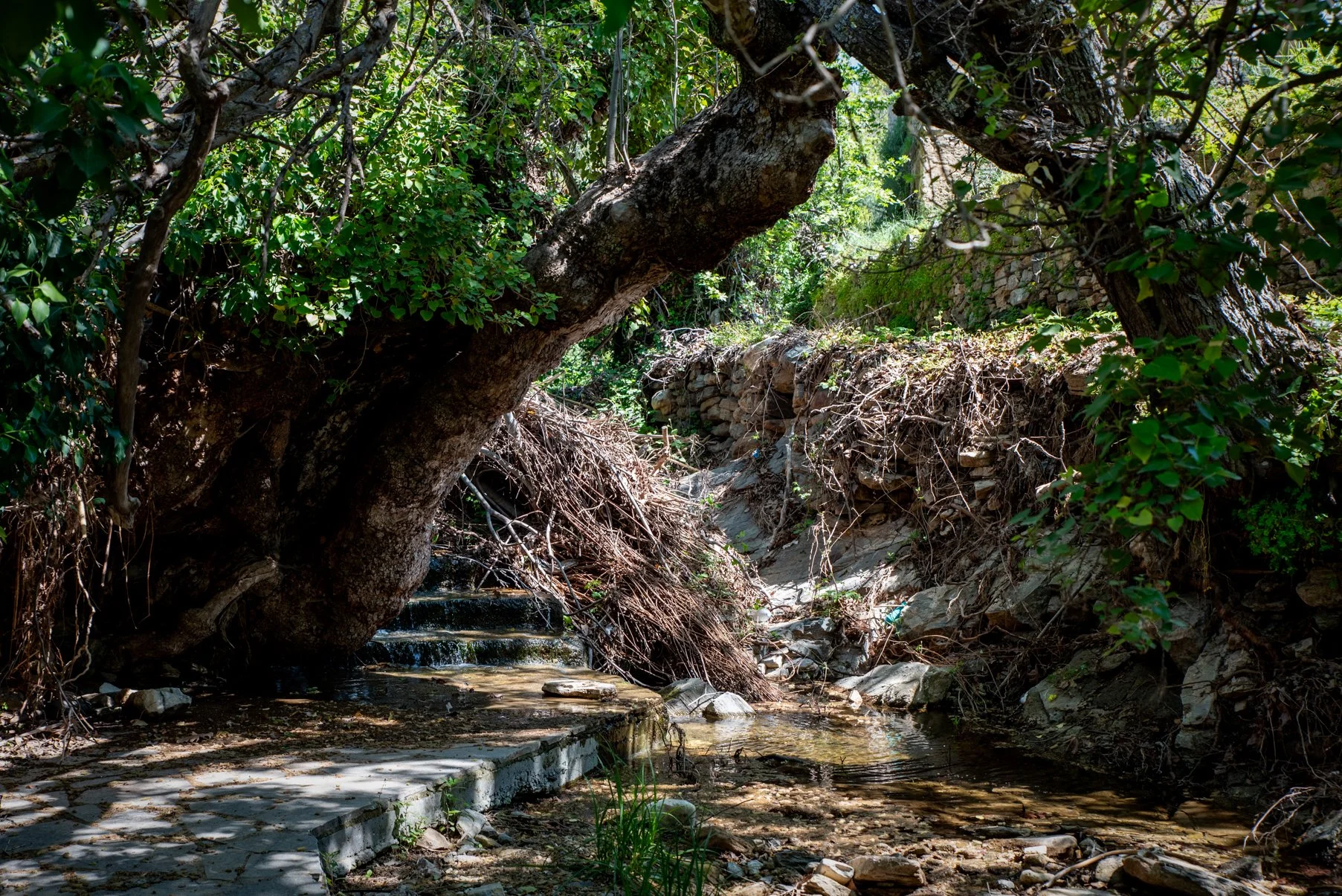
sep 2025Water route
[ OVERVIEW ]It all begins with an idea. Maybe you want to launch a business. Maybe you want to turn a hobby into something more. Or maybe you have a creative project to share with the world. Whatever it is, the way you tell your story online can make all the difference.
Don’t worry about sounding professional. Sound like you. There are over 1.5 billion websites out there, but your story is what’s going to separate this one from the rest. If you read the words back and don’t hear your own voice in your head, that’s a good sign you still have more work to do.
Experience Details
Trip Duration
4h
Pricing
120€
10 / 6,2
Km / Miles
[ HIGHLIGHTS ]The water root Features
Ever-Changing Scenery
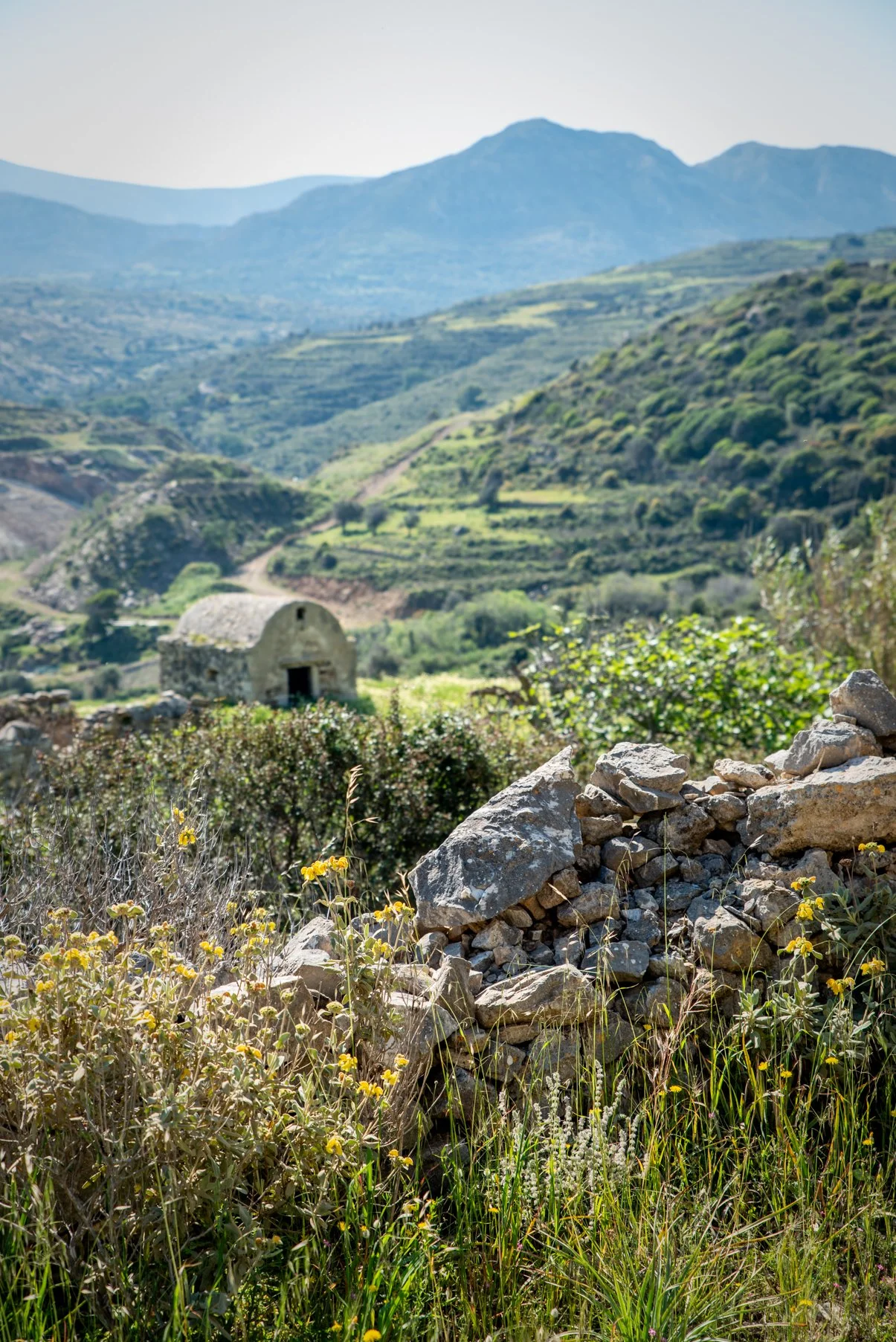
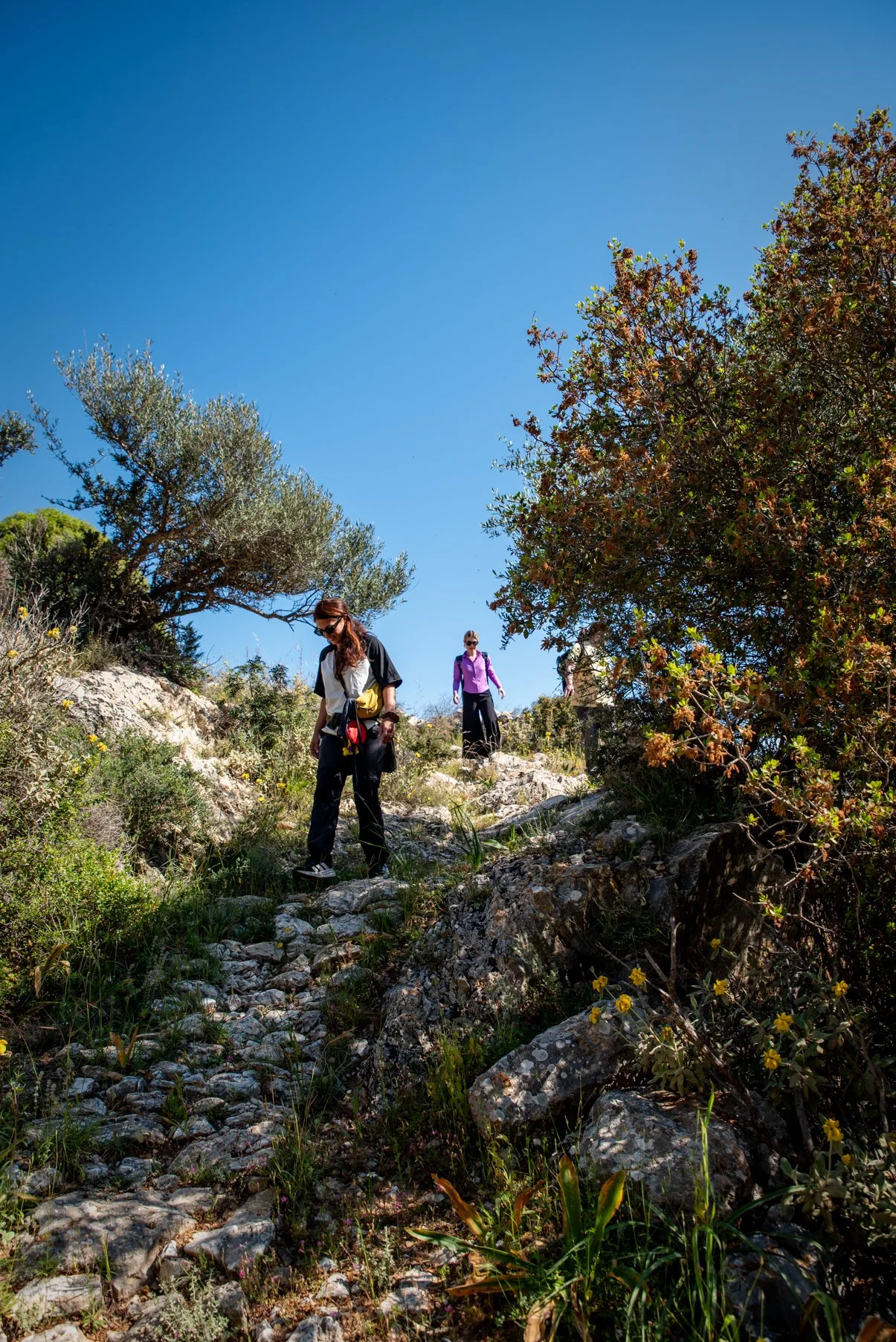
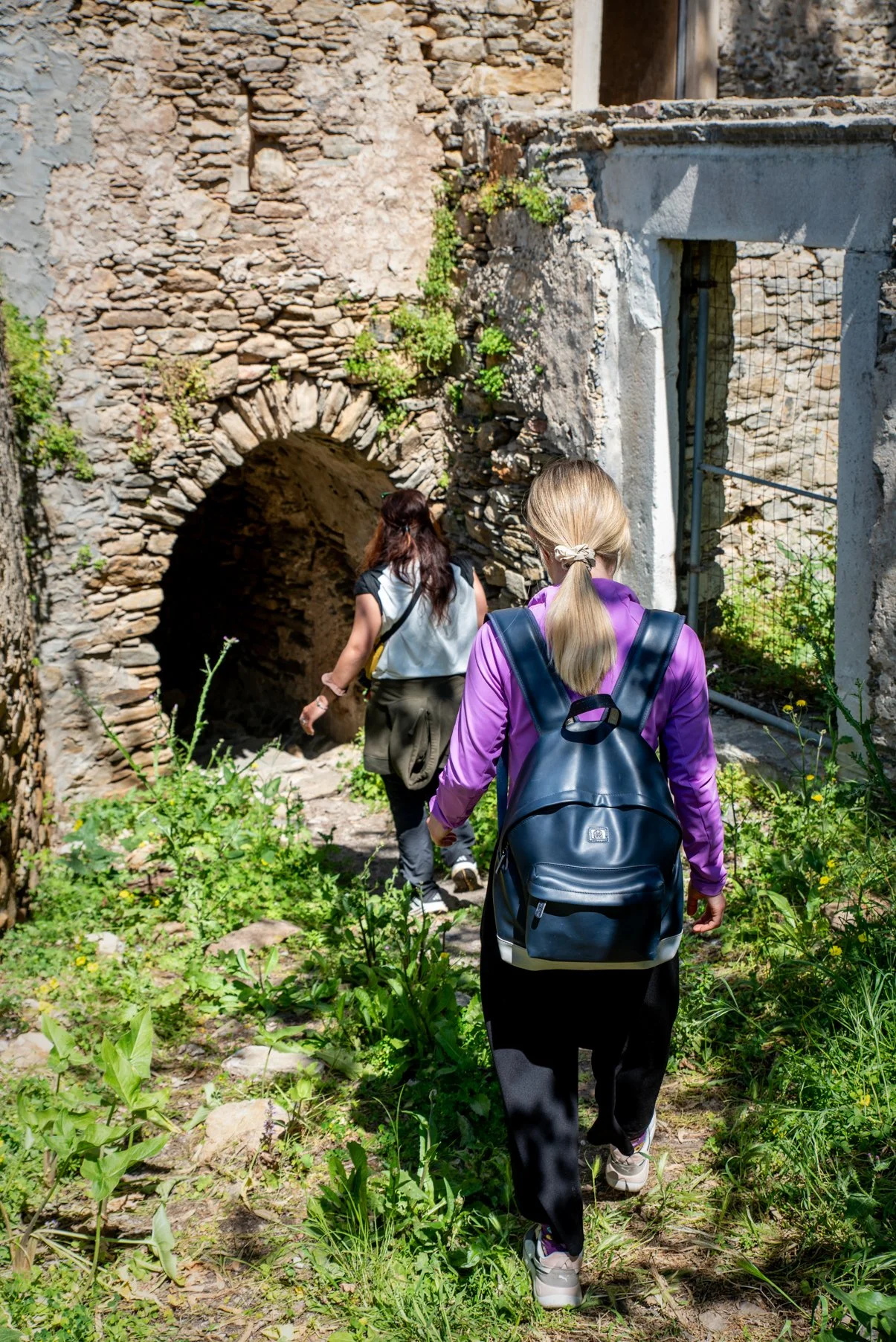
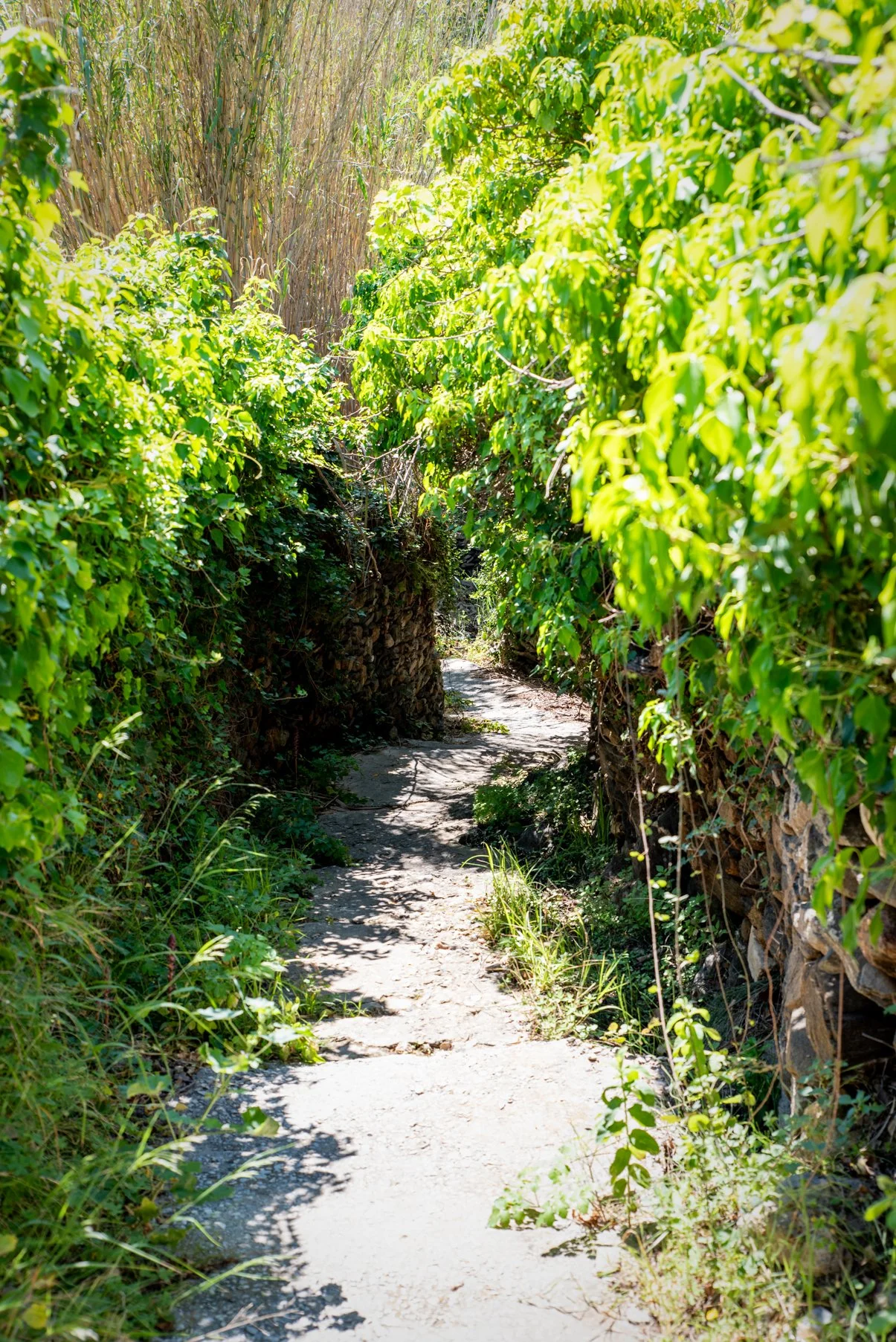
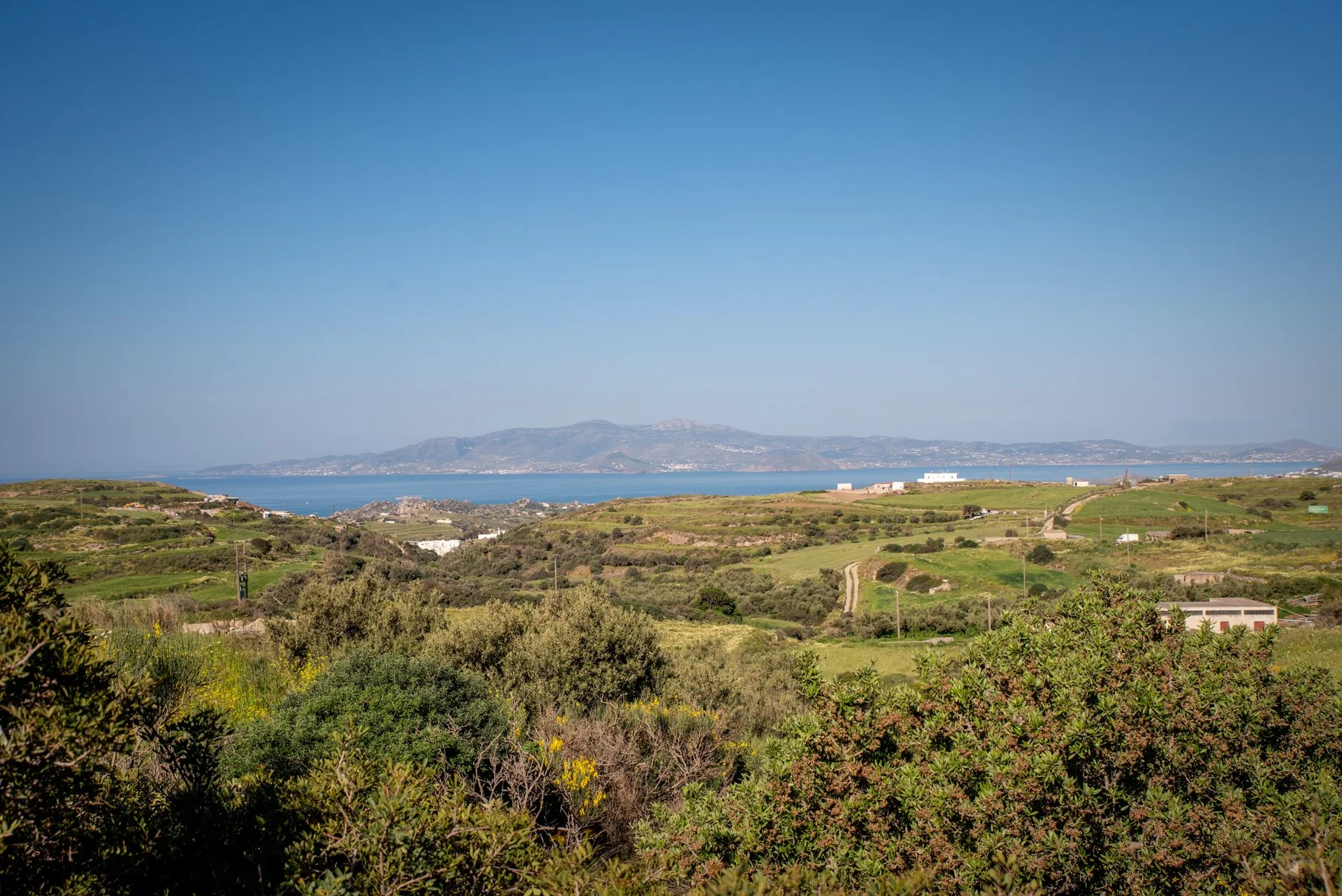
The route offers constantly shifting landscapes: it begins dry and open with beautiful sea views as you climb the ridge, then gradually transforms as you descend into the lush Potamia valley and from there, water streams accompany you all the way.
Drinking Water
There are 4 places to refill your flask with clean water along the route, 2 fountains and 2 natural springs: one in Tripodes, two in Potamia, and one in Myli.
Sightseeing & Highlights Along the Route
Along the way you'll have the opportunity to see 2 of the island's most famous ancient statues, 2 Byzantine churches, ancient springs and ancient quarries.
Wildlife
You may be lucky enough to spot donkeys, goats, and horses along the way and if you're very lucky, the rare and majestic heron.
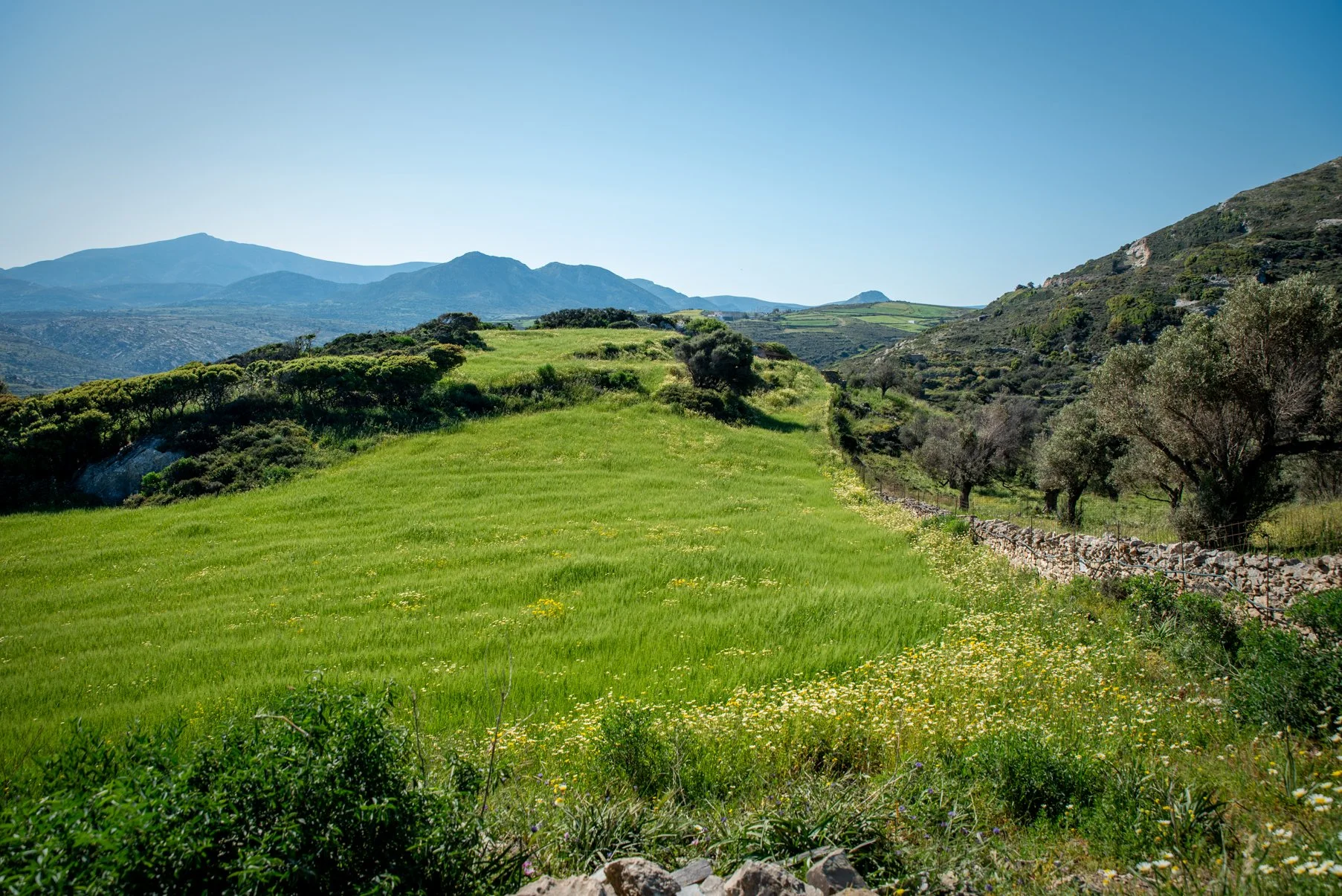
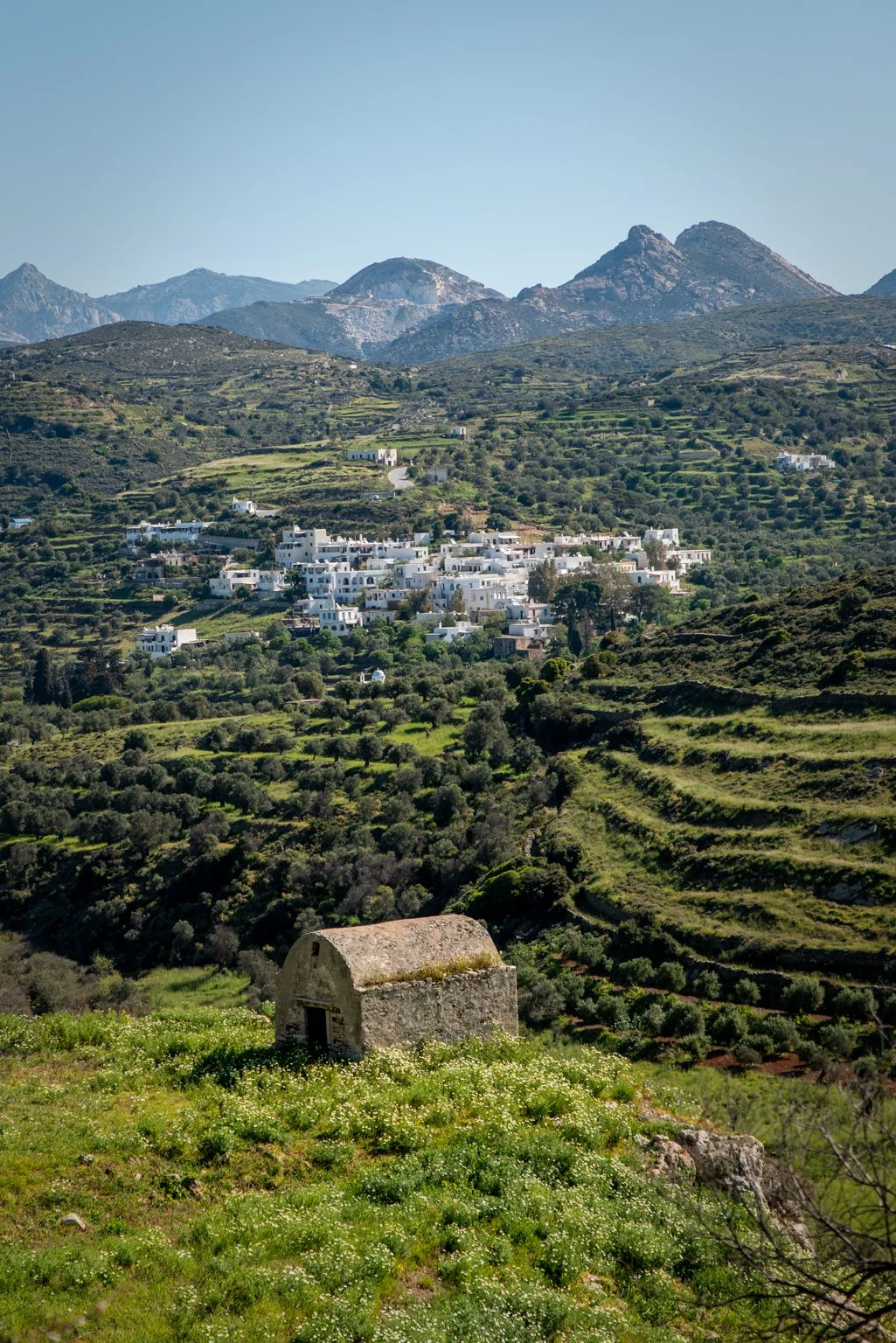
Starting From Tripodes Vilage
After a short 10–20 minute walk, this is the view that greets you.
■
Byzantine church Theoskepasti
Nestled in a lush valley near Potamia, this small Byzantine church is also known as Theoskepasti. And the small chapel nearby takes its name from Saint Mamas, patron saint of shepherds.
It is one of the oldest churches on the island, dating to the mid-9th century and likely built over an early Christian temple. An inscription inside links its construction to Bishop Leon.
The cross-shaped church is of notable architectural and archaeological interest, featuring sculptures and frescoes. Before the Frankish period it served as the Orthodox Metropolis of Naxos; after 1207 it was converted into a Catholic church by the conquerors.
Agios Mamas
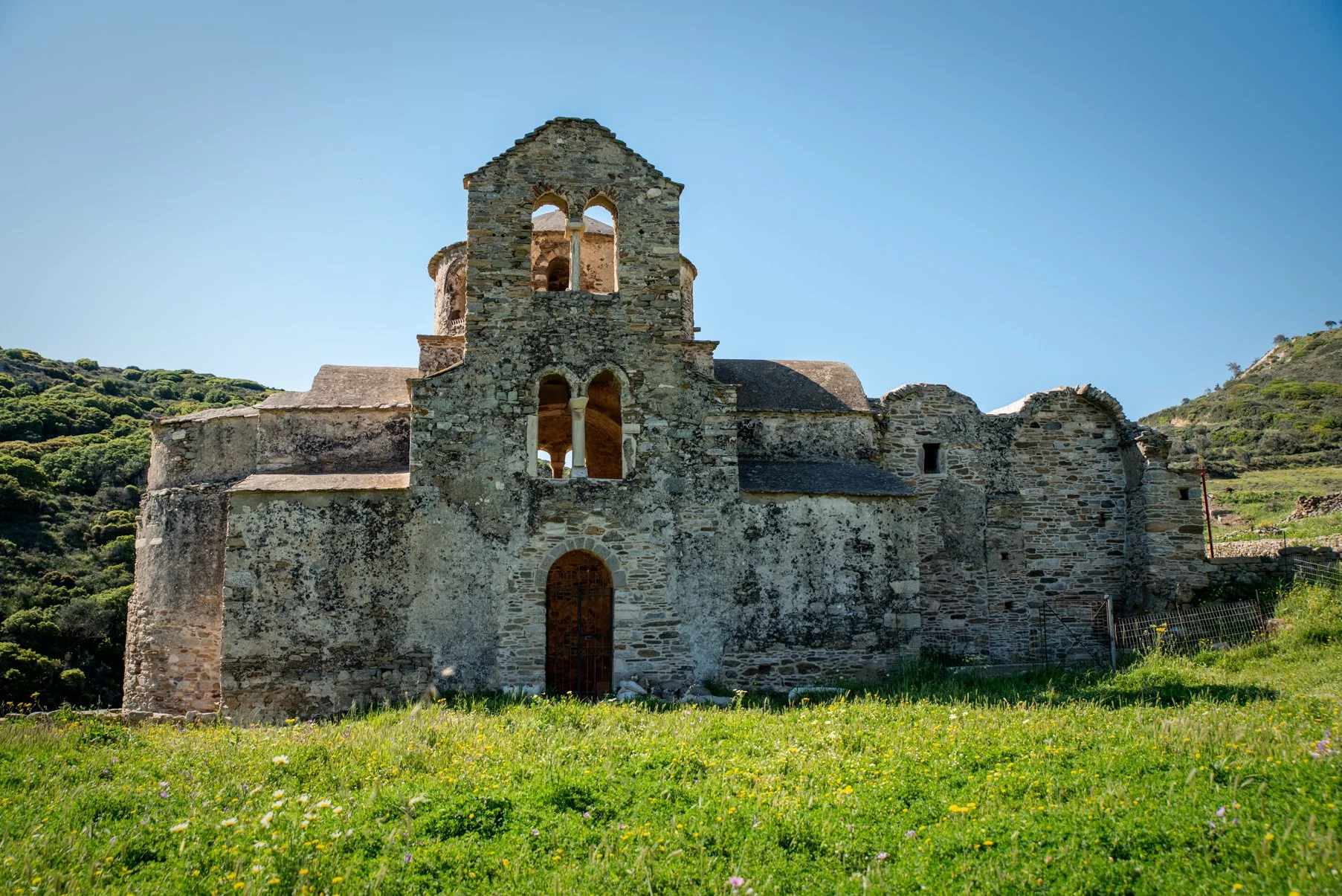
Panagia Theoskepasti
Kouros at Flerio
Flerio kouros stands within a narrow private enclosure. It measures 5.5 m tall, with a broken right leg, damage that occurred during transport. Like its counterpart in the ravine, it was carved in the first half of the 6th century BC.
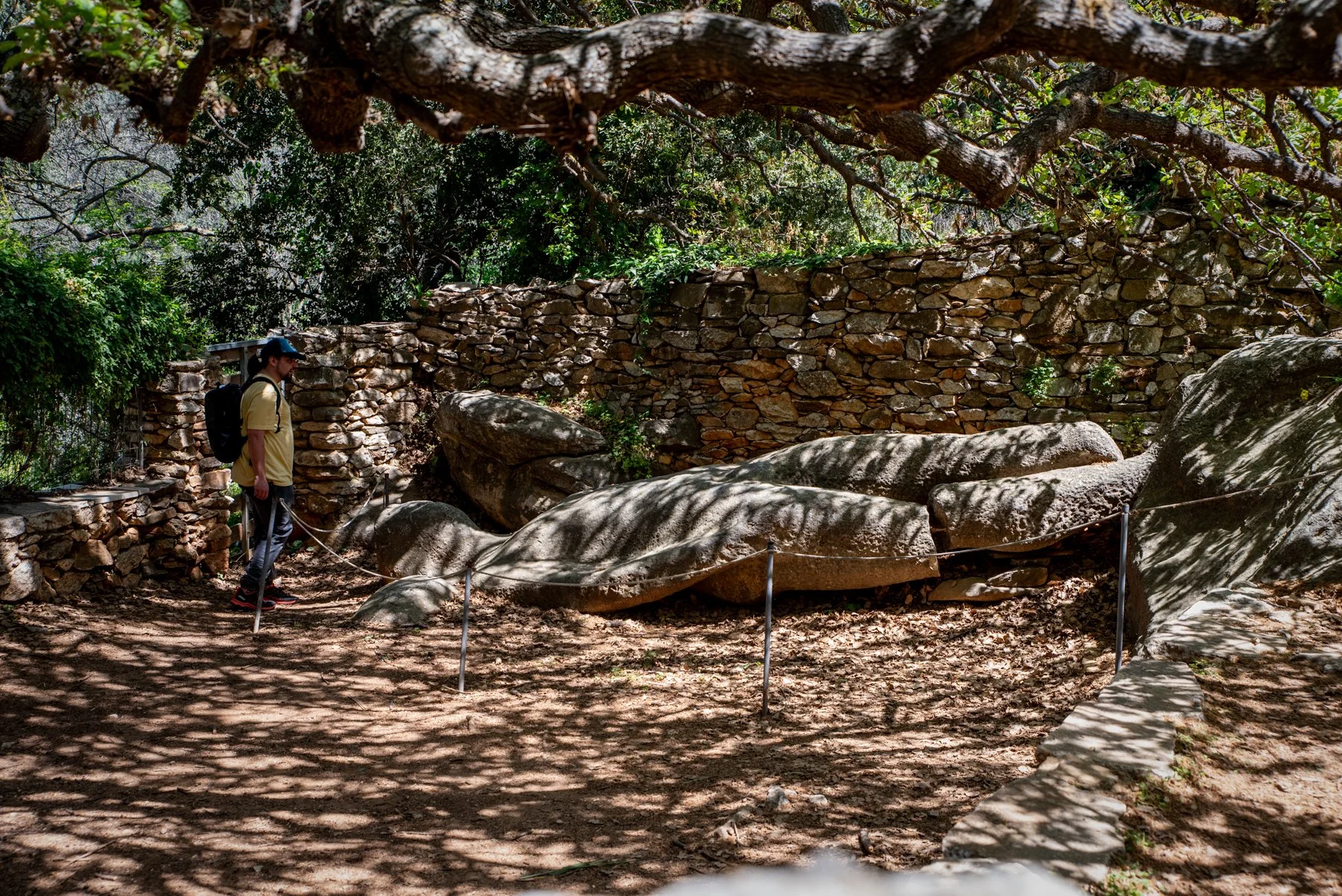
Kouros in the Ravine
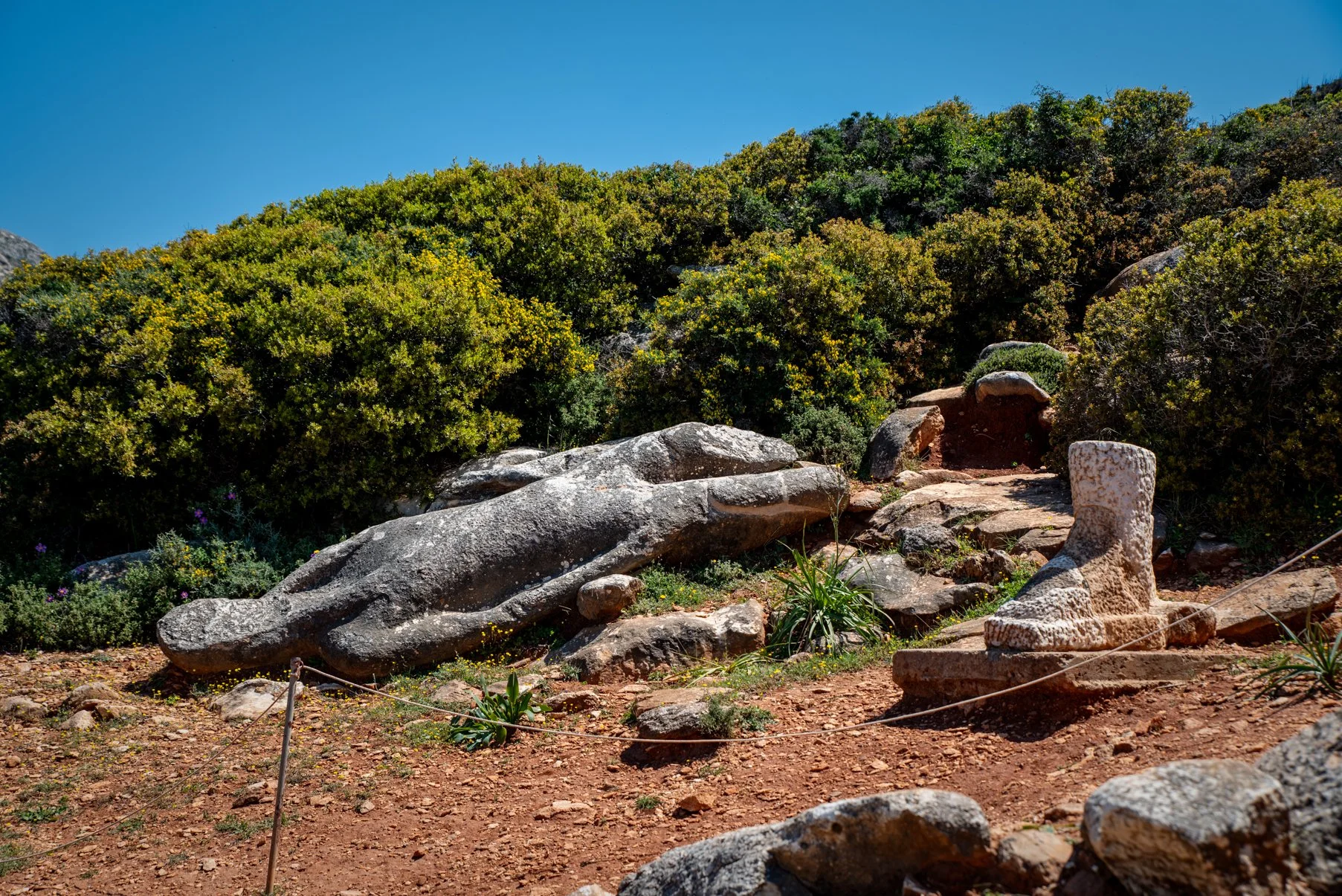
The second statue lies south of Flerio at a higher elevation, accessible via rough trails. It has remained on the ground since it was carved in the first half of the 6th century BC and depicts a nude male figure. It is preserved from the head to the right knee, while the left leg is missing and the face is completely gone. Despite being unfinished, it already displays the hallmarks of Naxian style: slender proportions, flowing contours, and a lack of fleshy texture. The surviving length is 3.83 m; the full height would have reached approximately 5.50 m.
The statues were most likely abandoned due to accidents during quarrying or transport. Large unfinished marble blocks and traces of ancient tools are also visible in the area.
[ FAQ ]Common Questions
-
Description text goes here
-
Description text goes here
-
Item description
-
Item description
-
Item description
-
Item description
-
Item description
-
Item description
-
Item description
-
Item description
-
Item description
-
Item description
-
Item description